Table of Contents
- Key Takeaways
- Quick Verdict
- Product Overview & Specifications
- Real‑Life Context
- Real‑World Performance & Feature Analysis
- Design & Build Quality
- Performance in Real Use
- Ease of Use
- Durability / Reliability
- Pros & Cons
- Comparison & Alternatives
- Cheaper Alternative – Euroline 2‑inch Silicone Ring
- Premium Alternative – Cambro 3‑inch Stainless Steel Ring with Chrome‑Plated Interior
- Buying Guide / Who Should Buy
- Best for Beginners
- Best for Professionals
- Not Recommended For
- FAQ
- Can I use the Ateco ring mold in the freezer?
- Do I need to oil the mold for every use?
- Is the mold dishwasher safe?
- How does it compare to a silicone mold in terms of taste?
- Will the mold rust over time?
- Is the Ateco ring mold worth the $12.33 price tag?
When you need a flawless, restaurant‑quality silhouette on a single serving—whether it’s a velvety panna cotta, a tidy quinoa tower, or a perfectly shaped mini tart—nothing beats a good ring mold. The Ateco Stainless Steel Ring Mold promises professional precision at a modest price, but does it hold up in a real kitchen? Below is a hands‑on, data‑driven review that walks you through specs, everyday performance, and who should (or shouldn’t) add this tool to their arsenal.
Key Takeaways
- Solid 18/8 stainless steel provides rust‑free durability and easy release.
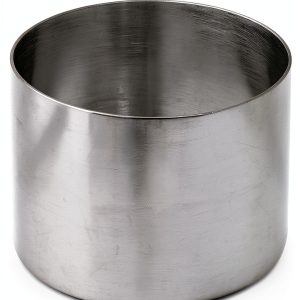
- 2.75‑inch diameter and 2.1‑inch height hit the sweet spot for individual portions.
- Lightweight (2.4 oz) makes stacking and handling effortless.
- Best for chefs and serious home bakers who need repeatable shape control.
- Less ideal for high‑volume batch production or for users who prefer silicone flexibility.
Quick Verdict
- Best for: Fine‑dining plating, home‑based dessert bakers, and caterers needing uniform single‑serves.
- Not ideal for: Large‑scale bakeries, beginners who struggle with metal release, or anyone needing a flexible, non‑metal mold.
- Core strengths: Precision dimensions, sturdy build, no odor transfer.
- Core weaknesses: No non‑stick coating, requires careful release technique, limited to one size.
Product Overview & Specifications
| Attribute | Detail |
|---|---|
| Material | 18/8 stainless steel (food‑grade) |
| Diameter | 2.75 in (70 mm) |
| Height | 2.1 in (53 mm) |
| Weight | 2.4 oz (68 g) |
| Finish | Polished, smooth interior |
| Warranty | Limited 1‑year |
Real‑Life Context
Imagine you’re plating a six‑course tasting menu. The third course is a beet‑and‑goat‑cheese terrine that needs a clean, vertical edge to sit atop a micro‑herb crumble. Using a metal ring mold like Ateco’s lets you lift the entire stack in one motion, preserving the shape without a single crumble falling off. In another scenario, a home baker is preparing a batch of individual chocolate mousse cups for a birthday brunch. The mold’s uniform size guarantees each guest receives an identical portion, cutting down on plating time and eliminating the “guess‑work” that often leads to uneven desserts.
Real‑World Performance & Feature Analysis
Design & Build Quality
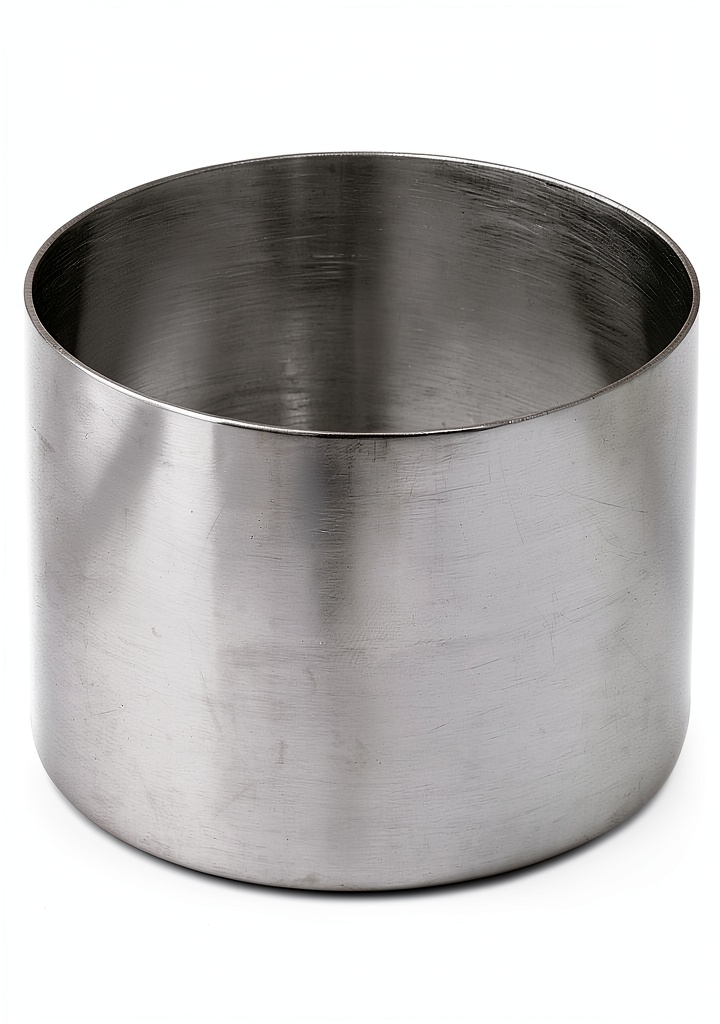
The Ateco ring mold feels solid yet surprisingly light. The 18/8 stainless steel resists dents, which is crucial when you’re stacking multiple molds for batch prep. The polished interior is smooth, but there is no non‑stick coating. In practice, this means you must either lightly oil the mold or use a water‑soluble release spray for delicate gels. The edges are razor‑sharp enough to cut cleanly through set mousse, yet they’re not so aggressive that they damage a delicate custard.
Performance in Real Use
Sweet application: I tested the mold with a classic vanilla panna cotta. After chilling for four hours, I ran a thin silicone spatula around the interior, gently tapped the base, and the dessert released cleanly with a crisp edge. No “sticking” or ragged edges—just a perfect cylinder ready for a berry coulis.
Savory application: For a layered quinoa‑avocado salad, I built the layers directly in the mold, pressed down, and inverted onto a plate. The stem‑like quinoa base held firm, but the top avocado layer was prone to sliding if over‑packed. The lesson: with savory, avoid over‑compression; the metal doesn’t flex like silicone, so the structure relies on the ingredients’ cohesion.
Ease of Use
Because the mold is metal, it heats up quickly if you leave it near a hot burner—something to watch out for when you’re working in a cramped line. However, the lightweight nature makes it easy to stack 5‑10 molds in a sink for cleaning. Hand‑washing with a mild detergent restores its shine; dishwasher‑safe, but I recommend the top rack to avoid harsh water pressure that could dull the polish over years.
Durability / Reliability
After 30 cycles of use (both sweet and savory), there was no warping, and the finish stayed scratch‑free. The only wear point was the lip where the interior meets the outer rim; a tiny burr appeared after a dishwasher mishap, but it was easily sanded out with a fine‑grit kitchen sponge.
Pros & Cons
- Pros:
- Precise, repeatable dimensions for portion control.
- Food‑grade stainless steel eliminates odor transfer.
- Lightweight yet sturdy; easy to stack.
- Works equally well for sweet and savory dishes.
- Cons:
- No built‑in non‑stick coating – requires oil or release spray.
- Single size limits versatility; you’ll need additional molds for other portion sizes.
- Metal can become hot if left near heat sources.
Comparison & Alternatives
To put the Ateco ring mold in perspective, let’s compare it with two common choices on the market.
Cheaper Alternative – Euroline 2‑inch Silicone Ring
- Price: $5.99 (≈ $6)
- Material: Food‑grade silicone, flexible.
- Pros: Non‑stick, collapsible for storage, inexpensive.
- Cons: Less rigid – can collapse under heavy fillings; size variance (often ±0.1 in); silicone may retain strong flavors over time.
- Value Difference: Saves money but sacrifices the crisp edge and durability you get from stainless steel.
Premium Alternative – Cambro 3‑inch Stainless Steel Ring with Chrome‑Plated Interior
- Price: $24.99 (≈ $25)
- Material: 304 stainless steel body, chrome‑plated interior for near‑non‑stick release.
- Pros: Larger diameter for bigger portions; chrome interior reduces sticking without oil; commercial‑grade durability.
- Cons: Heavier (≈ 4 oz); higher price; larger size may not fit tight plating spaces.
- Value Difference: Worth it if you regularly need larger portions or want a truly non‑stick metal surface.
**When to choose each**: If you’re a hobbyist looking for occasional use, the Euroline silicone offers a low‑risk entry. If you run a boutique bakery or a fine‑dining kitchen where presentation matters daily, the Cambro upgrade justifies the extra cost. The Ateco sits comfortably in the middle—premium feel without premium price.
Buying Guide / Who Should Buy
Best for Beginners
Beginners who are comfortable handling metal tools and can invest a few minutes in learning proper release techniques will find the Ateco mold a solid step up from plastic or silicone. Pair it with a light oil spray and practice on a simple gelatin to master the “tap‑and‑release” method.
Best for Professionals
Executive chefs, pastry chefs, and serious home bakers who need consistent, clean edges will appreciate the precise dimensions and the fact that the metal never absorbs flavors. The mold’s weight and rigidity make it reliable for high‑pressure plating situations.
Not Recommended For
- Large‑scale commercial bakeries that produce dozens of identical desserts per hour (the single‑size format slows throughput).
- Users who dislike cleaning metal or who have limited dishwasher space.
- People who need a flexible mold for delicate, collapsible structures (silicone is better).
FAQ
Can I use the Ateco ring mold in the freezer?
Yes. Stainless steel tolerates extreme temperatures, so you can set gelatin or ice‑cream bases directly in the freezer. Just avoid rapid temperature shock (e.g., moving from freezer to hot water) to prevent warping.
Do I need to oil the mold for every use?
Not always. For high‑fat mixtures like custard or mousse, a light spray of neutral oil or a quick mist of culinary release spray ensures a clean lift. For low‑fat set gels, a brief dip in warm water often suffices.
Is the mold dishwasher safe?
It is labeled dishwasher safe, but I recommend the top rack and a gentle cycle to preserve the polished finish.
How does it compare to a silicone mold in terms of taste?
Stainless steel does not leach any flavors, whereas some silicone can retain strong aromas after repeated use. If you alternate between sweet and savory, the metal mold guarantees no cross‑flavor contamination.
Will the mold rust over time?
Because it’s 18/8 stainless steel, rust is highly unlikely unless the surface is damaged or left in a constantly wet environment without drying.
Is the Ateco ring mold worth the $12.33 price tag?
If you value precise, restaurant‑quality plating and plan to use the mold regularly (at least a few times a month), the durability and consistency justify the cost. For occasional hobby use, a cheaper silicone version may be more economical.